Preparing High School Catchers To Earn
College Commitments... The Right Way 👇
Most families are working hard — but without a clear understanding of what actually leads to a college commitment.
Former D1 Catcher | 50+ College Commits | Specialized Catcher Development | Remote Coaching
👆 Watch this before your catcher spends another year guessing what actually matters.
Before you scroll any further...
If your catcher wants to play college baseball, the video above will show you where he actually stands — and what needs to happen next based on his age, level, and timeline.
These commitments weren’t earned through more showcases or exposure...
They came from building catchers college coaches could actually trust.
👇 Pro Point Catching Alumni 🧑🎓
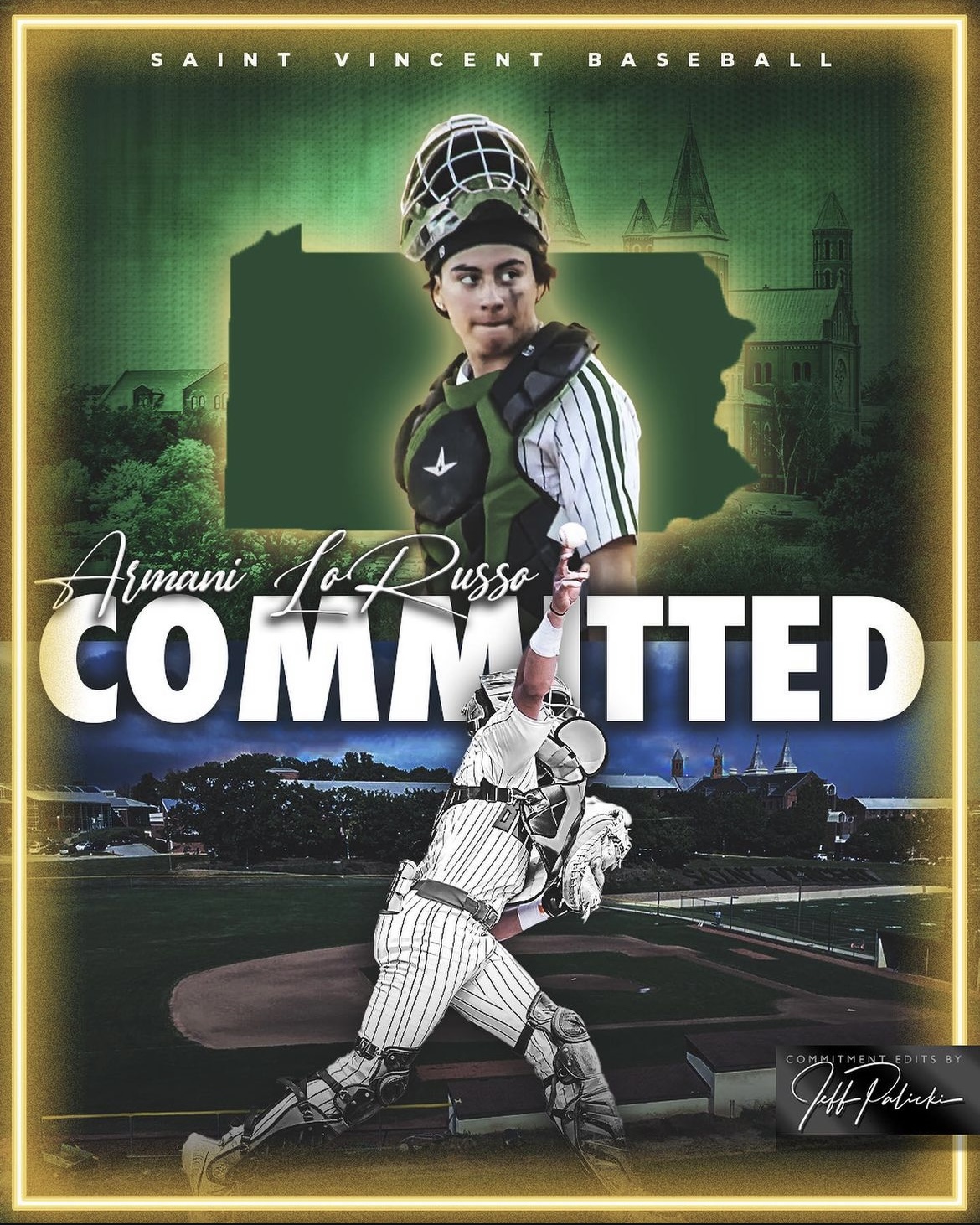
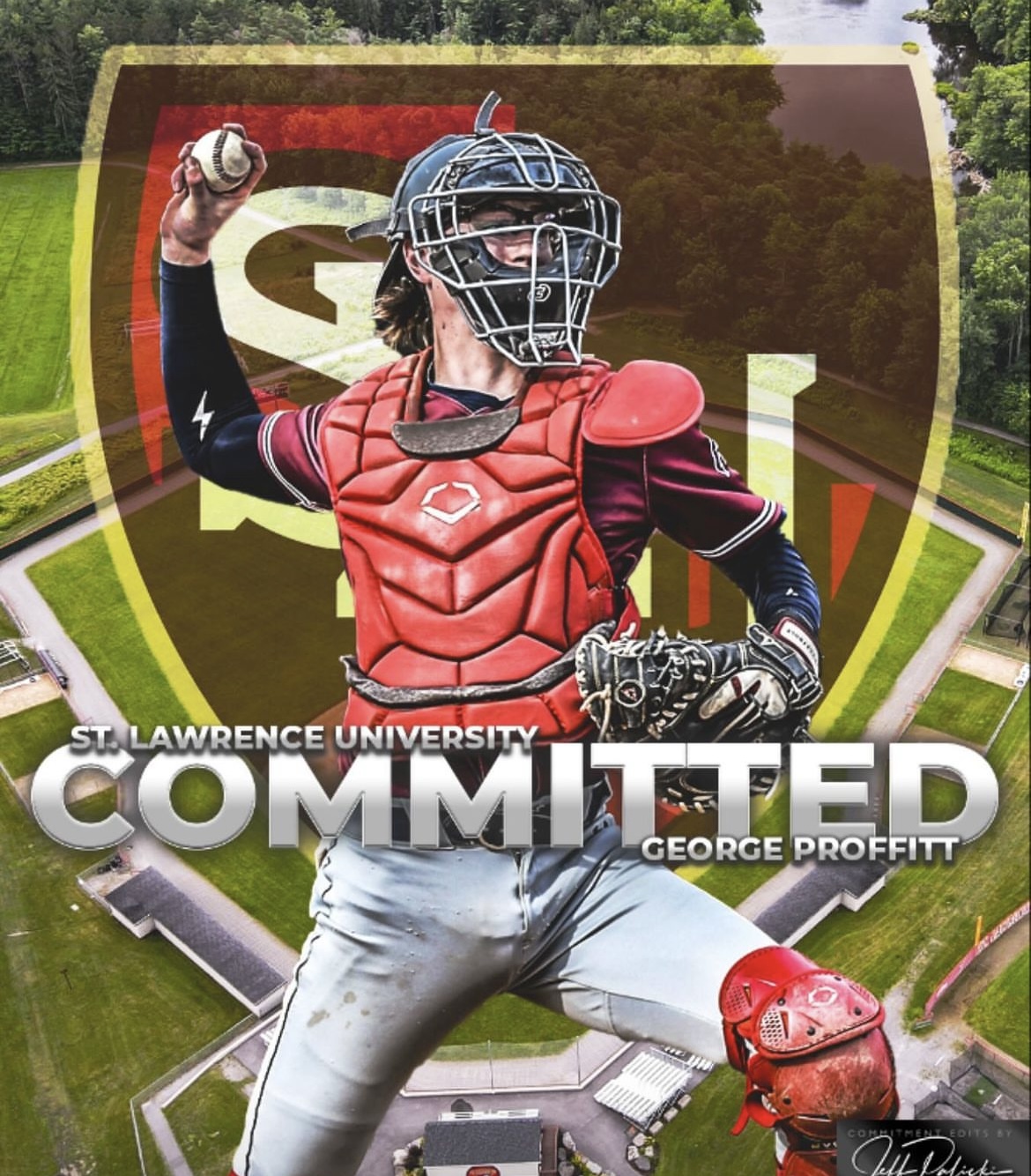
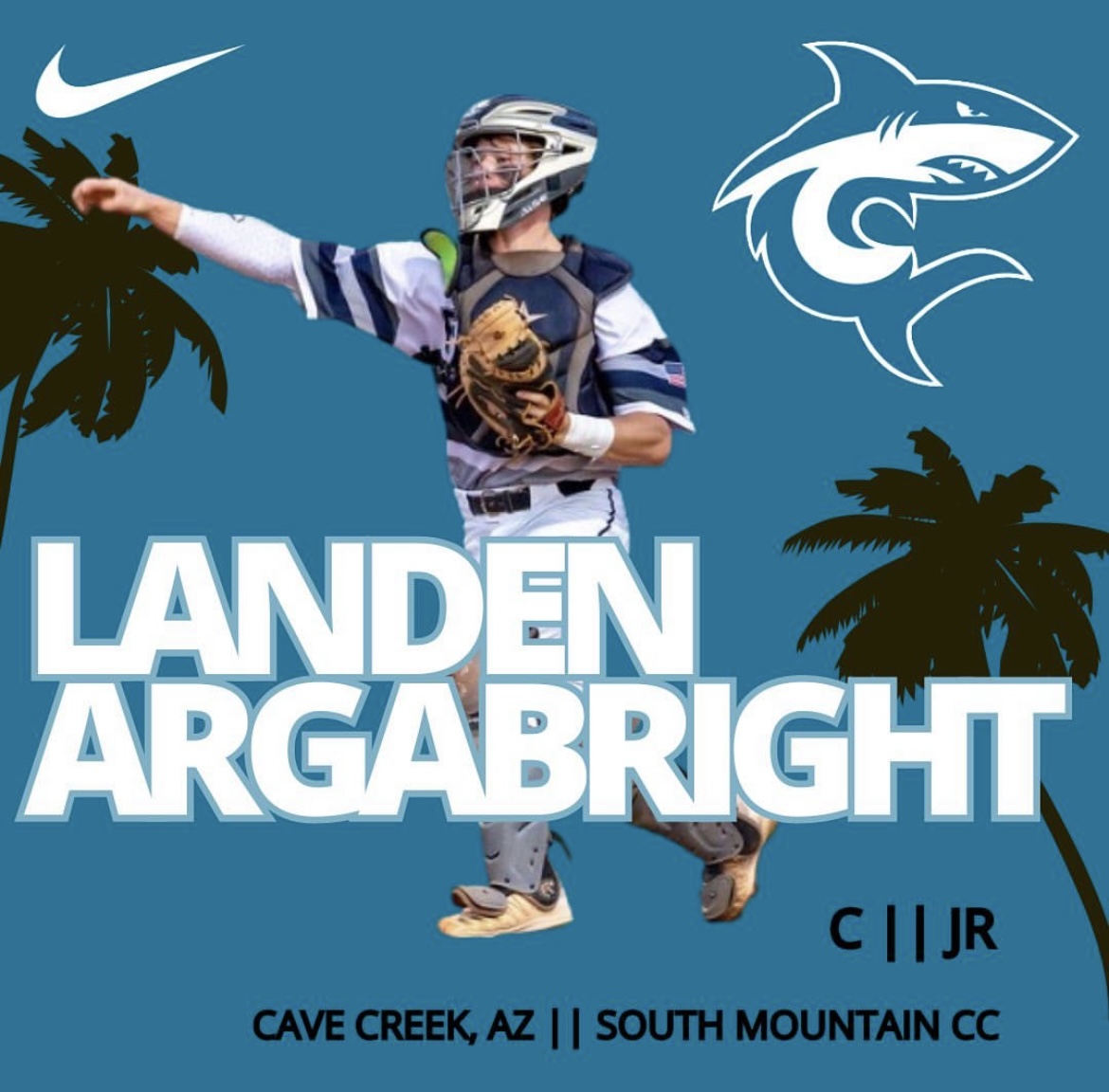
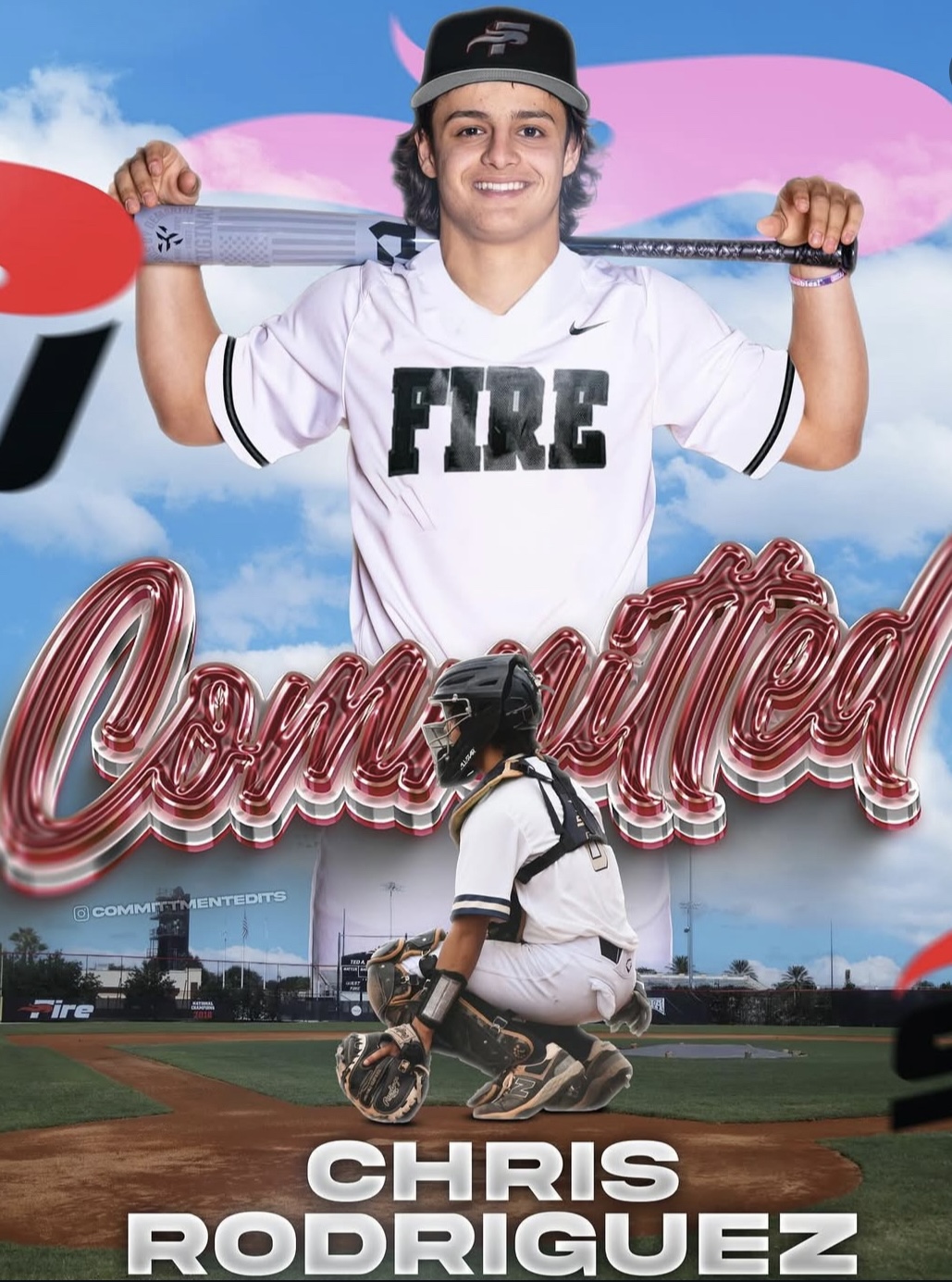
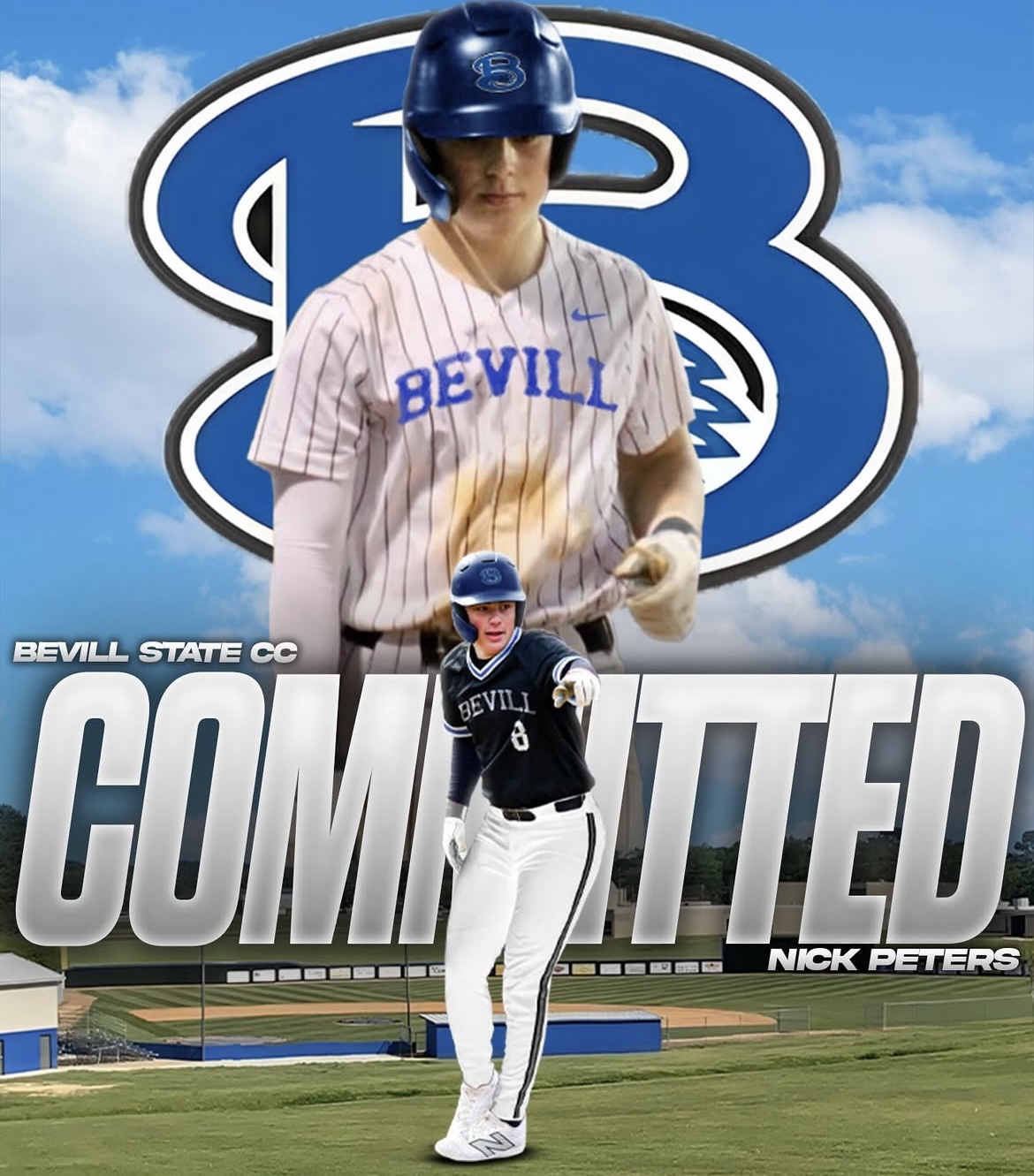
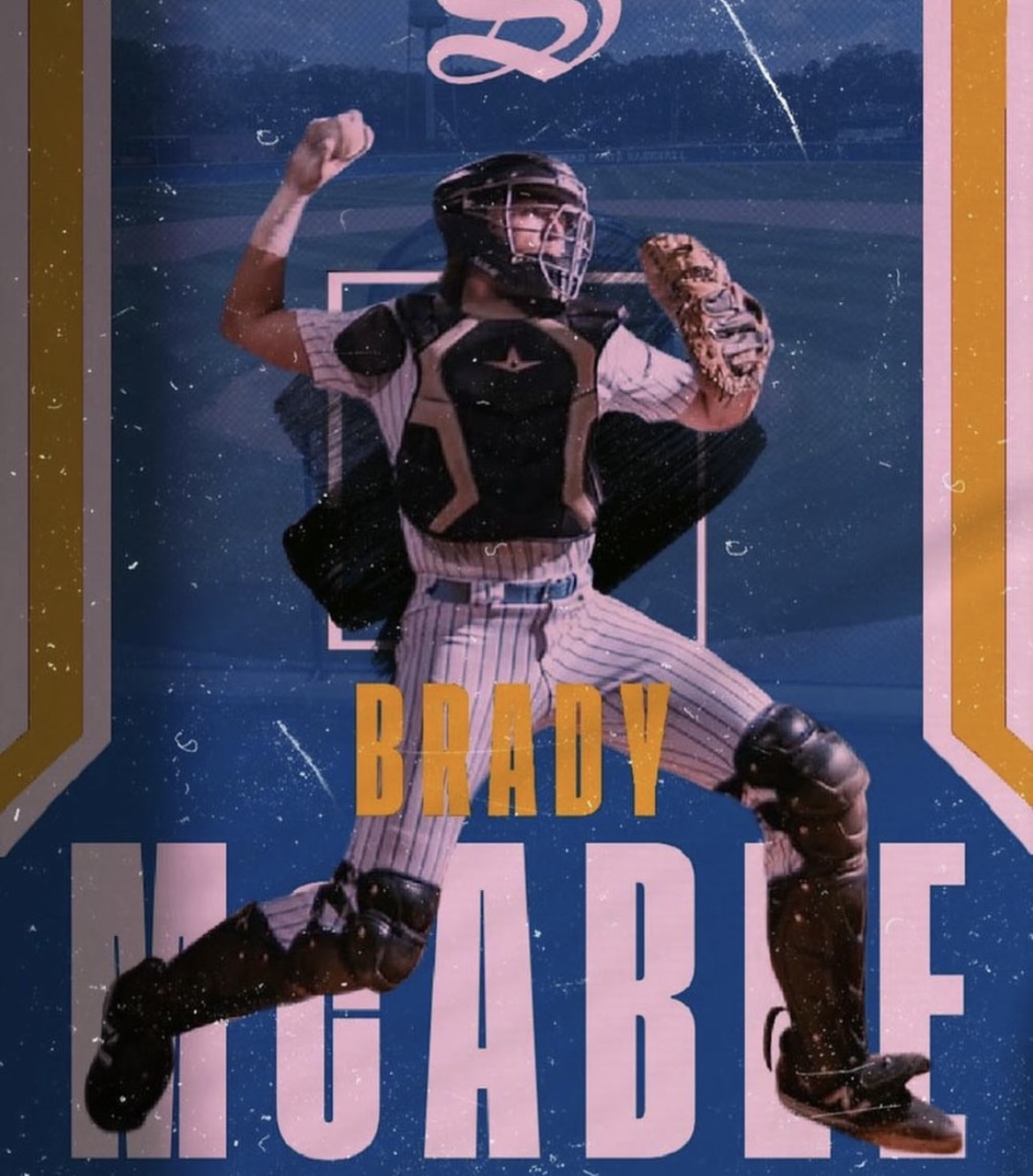
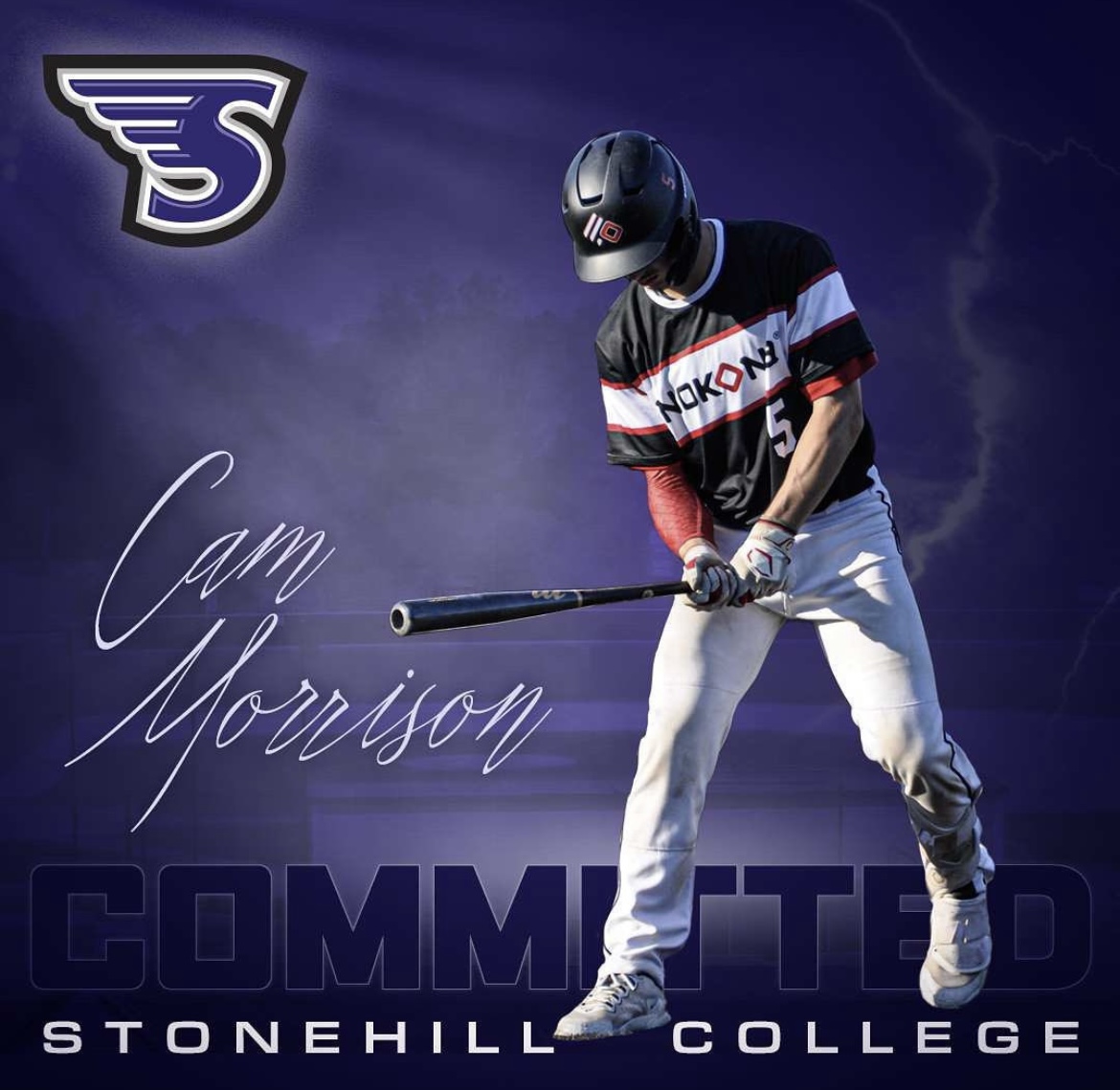
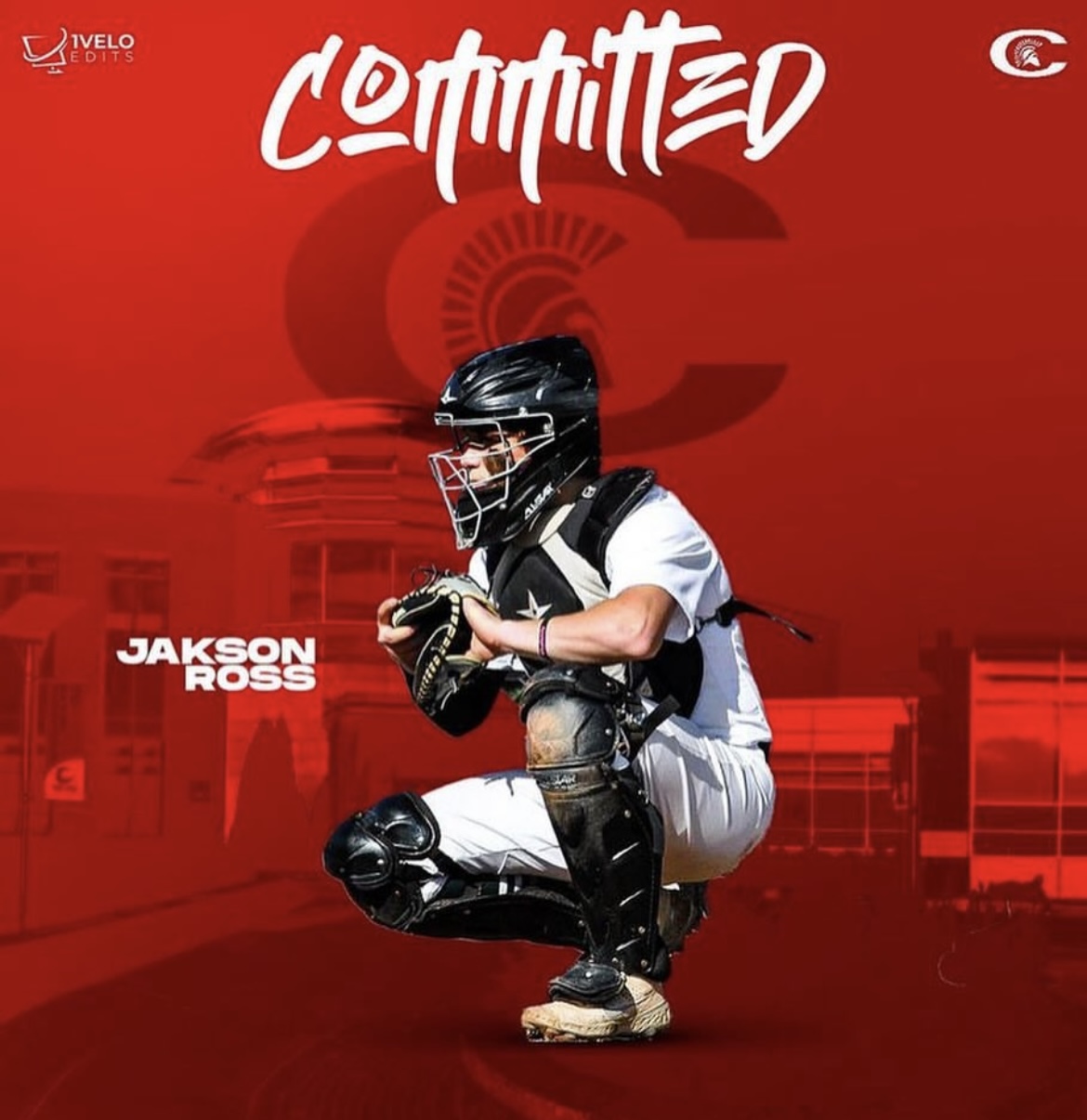
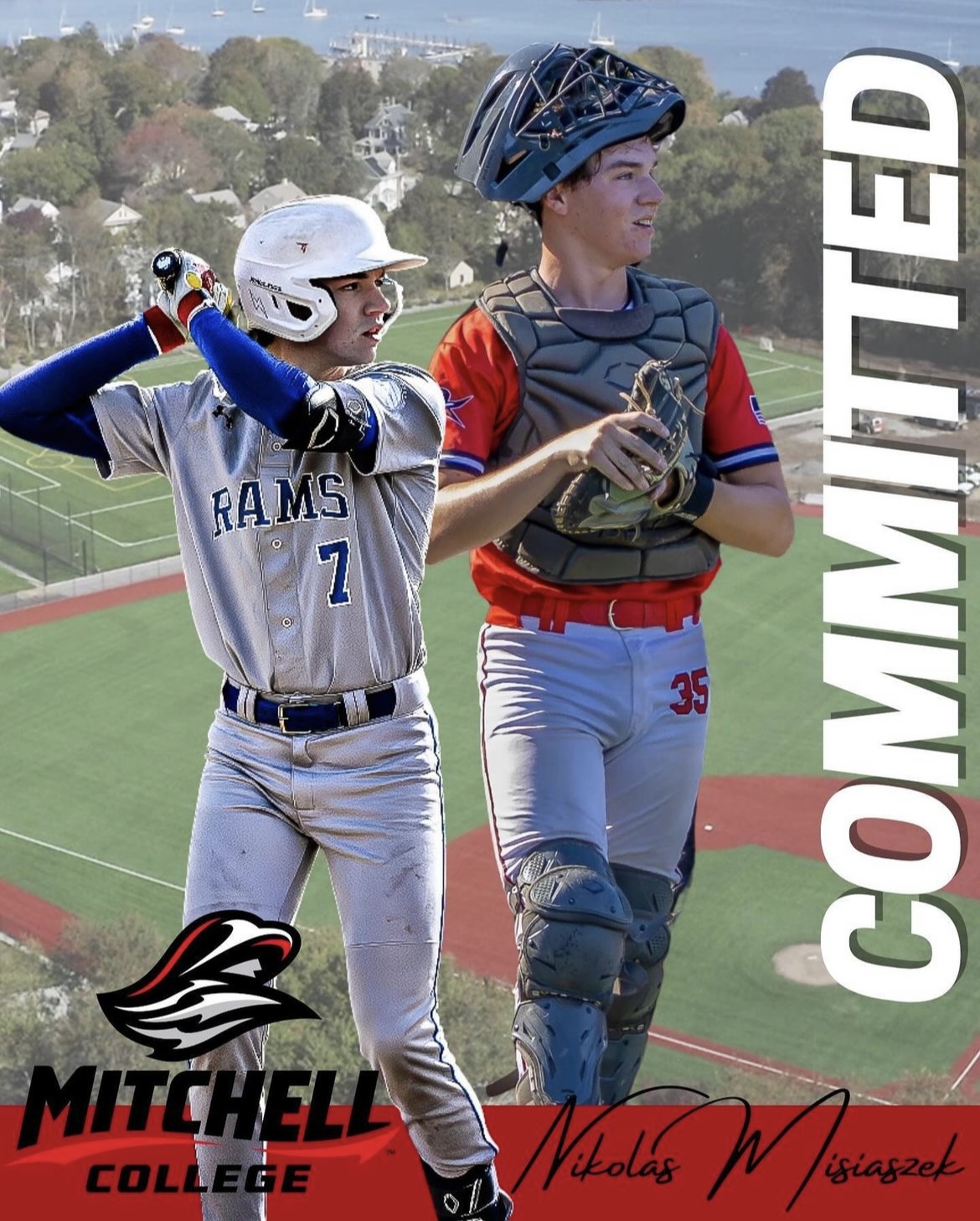
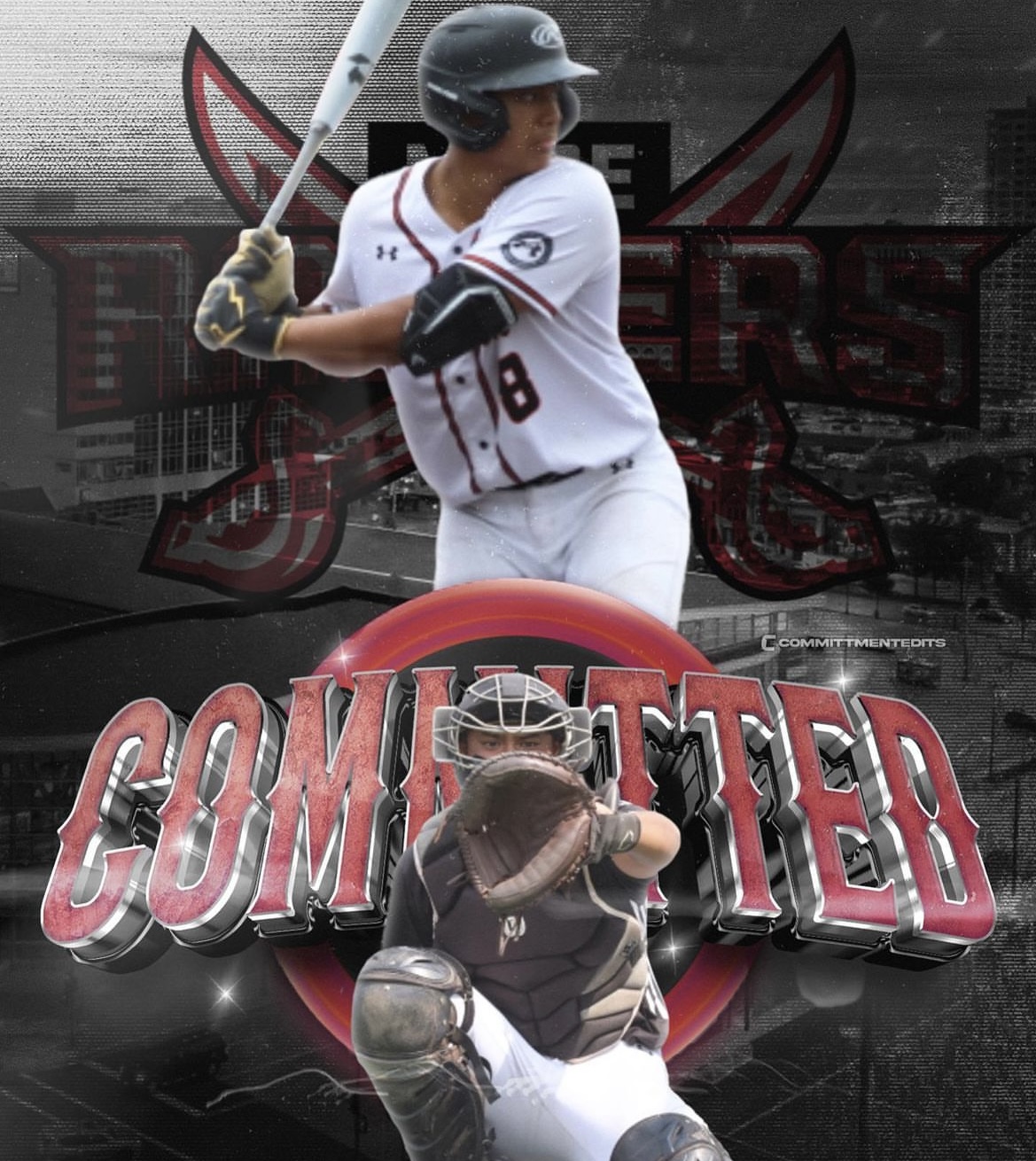
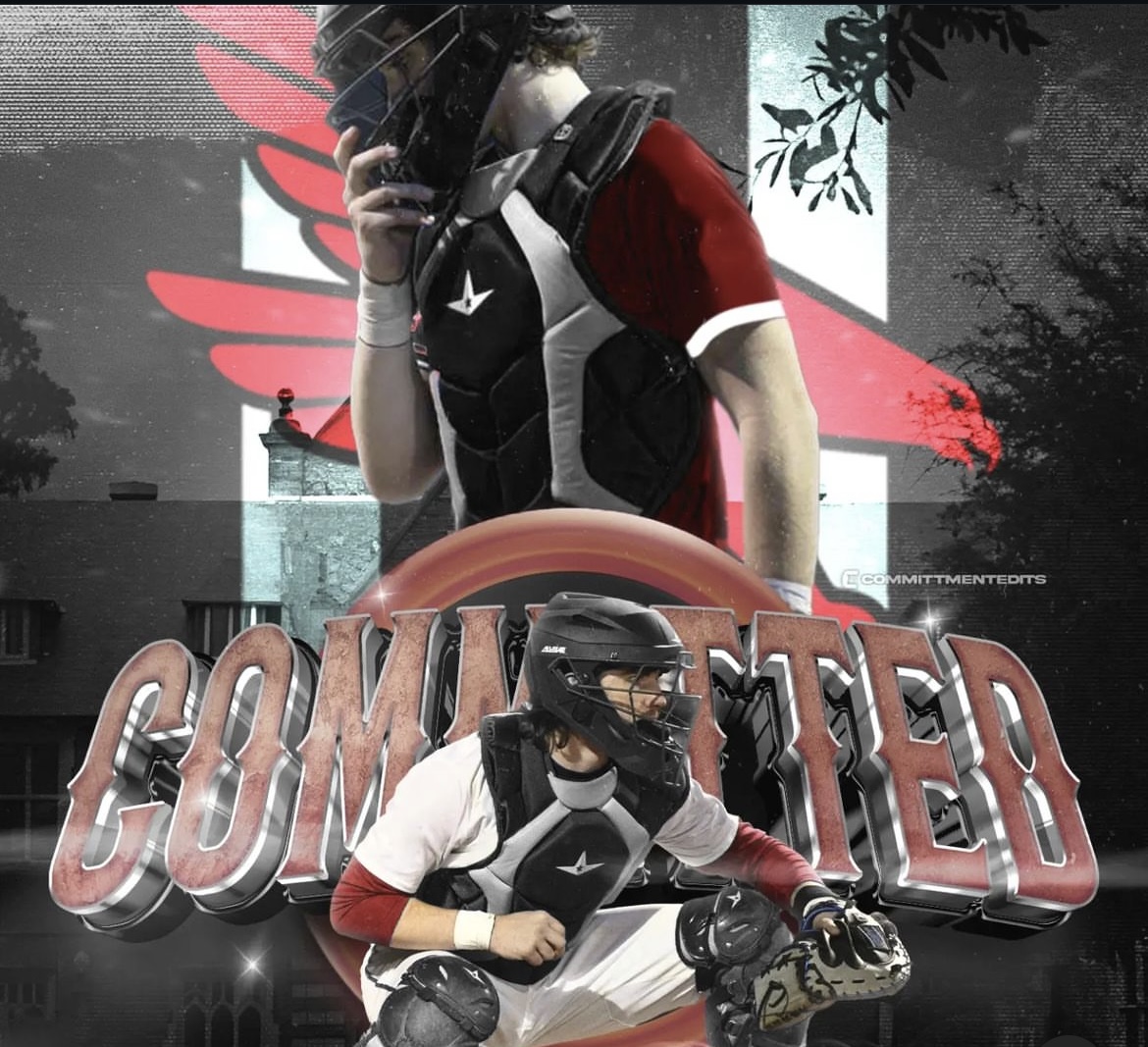
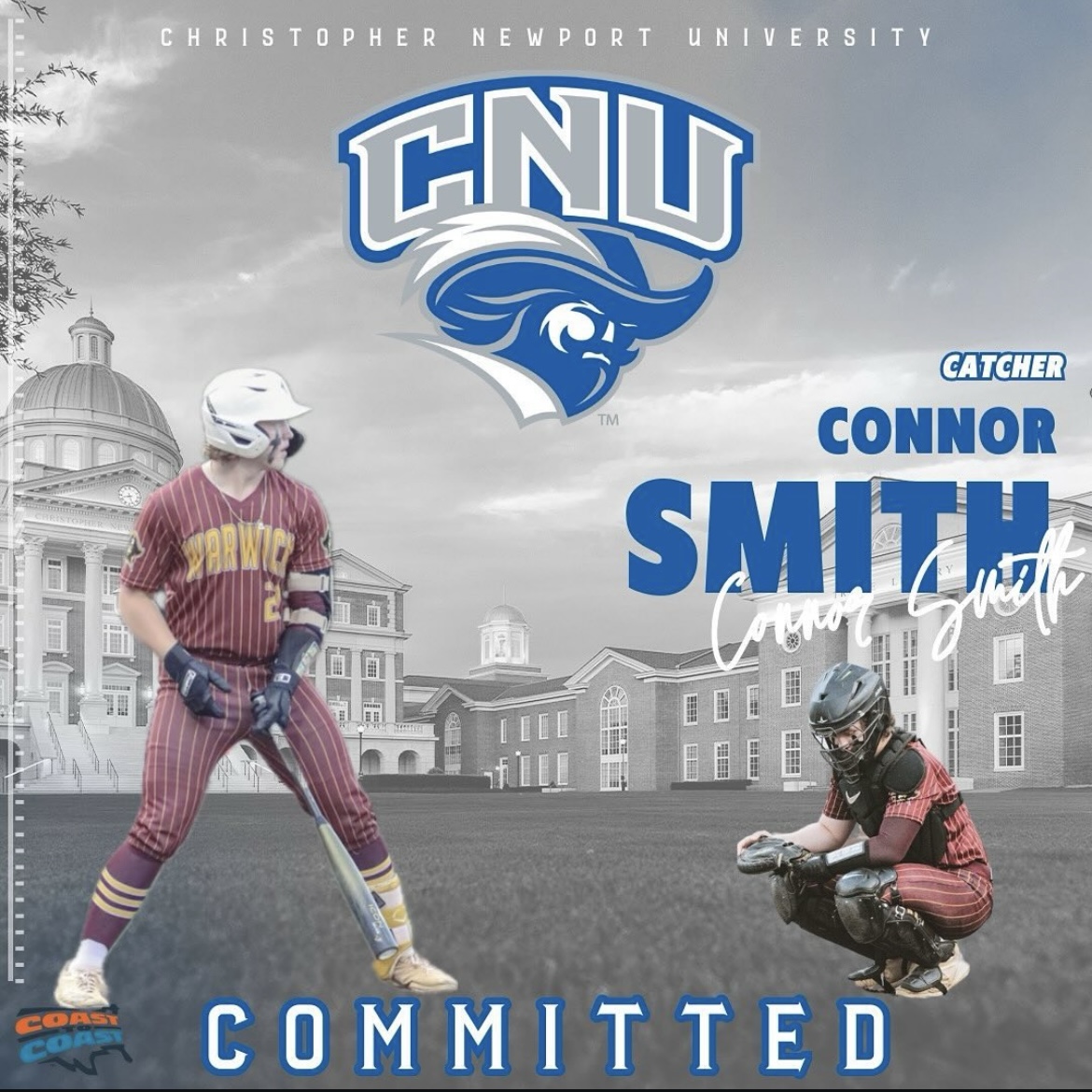

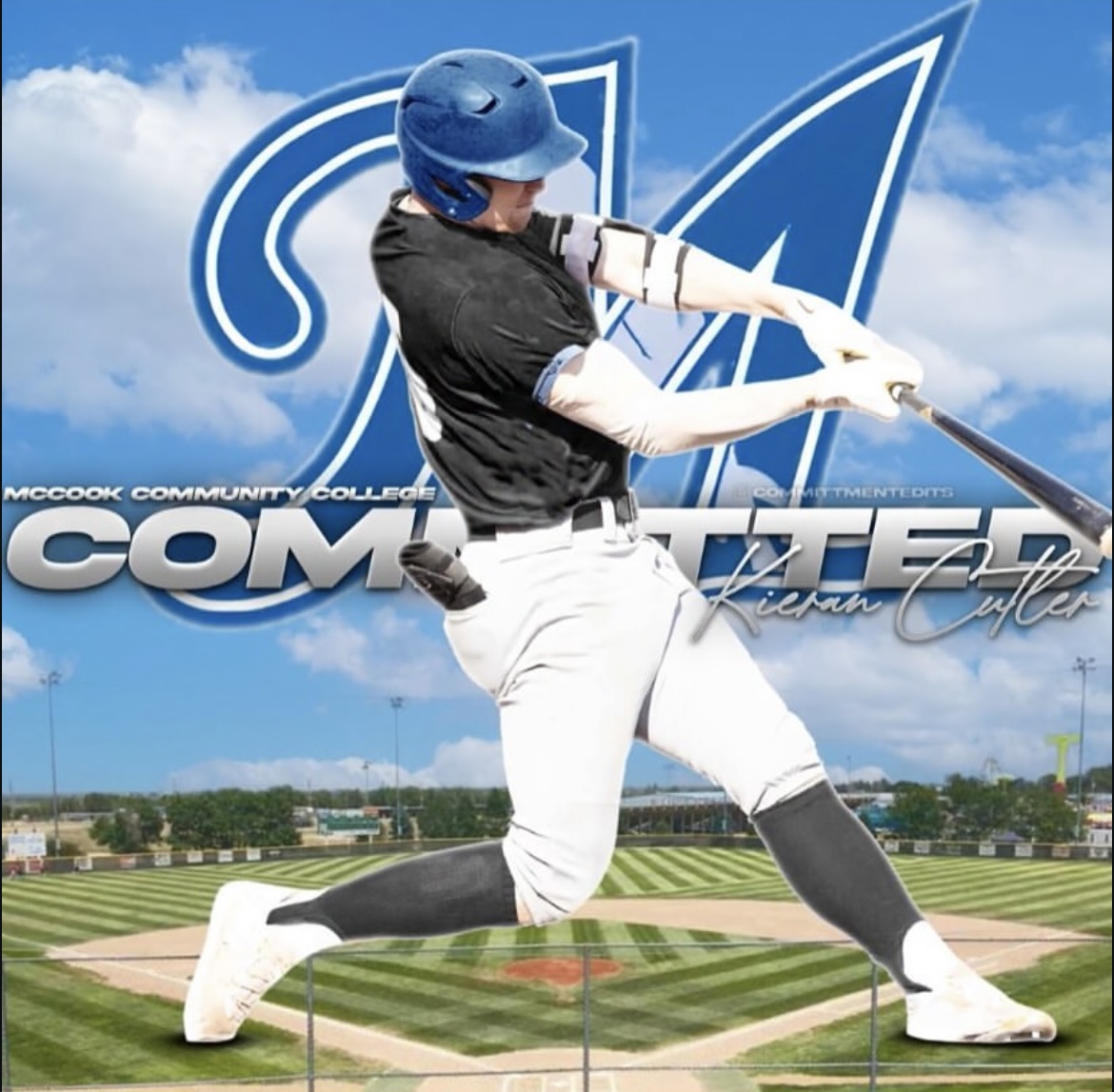
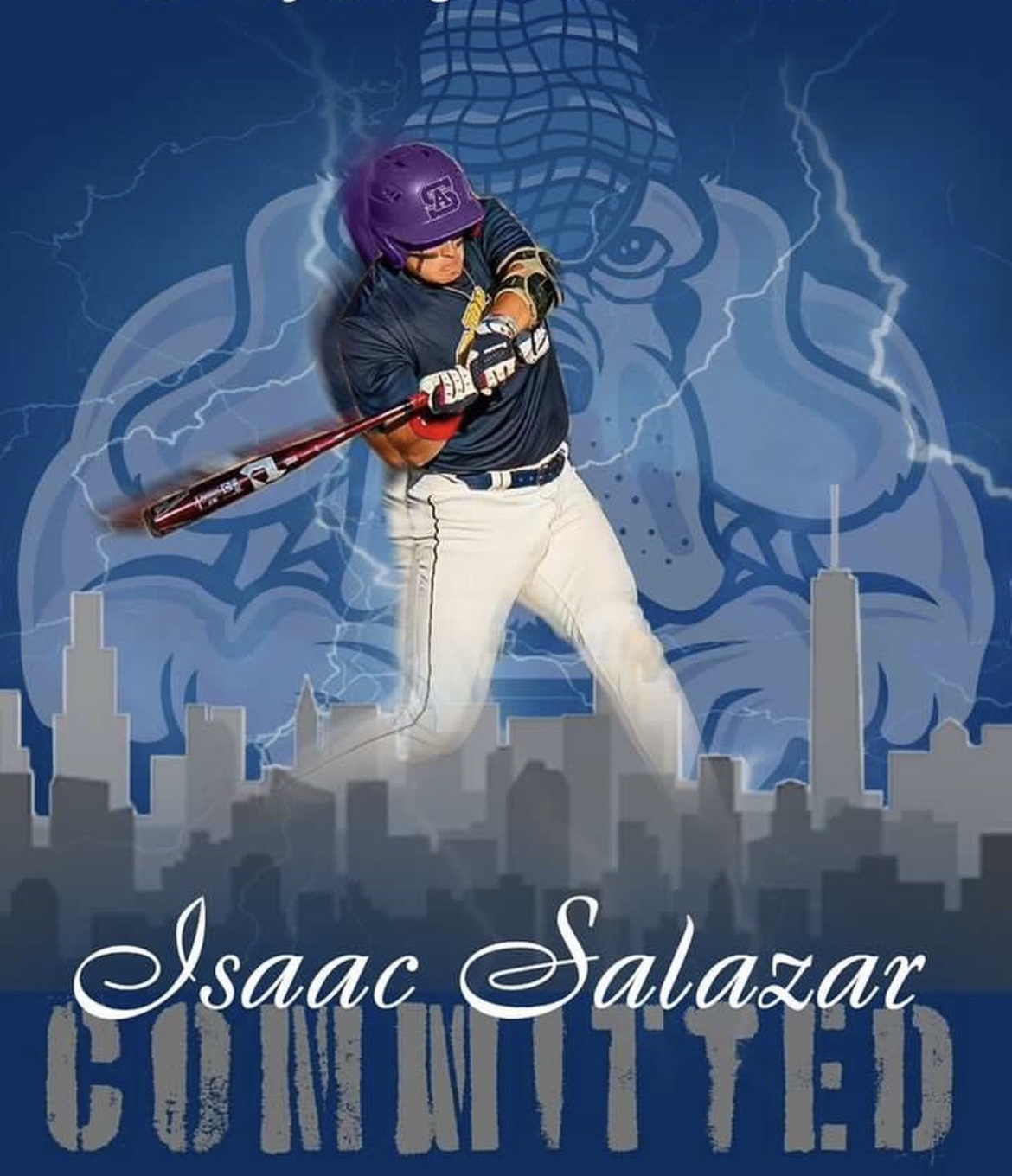
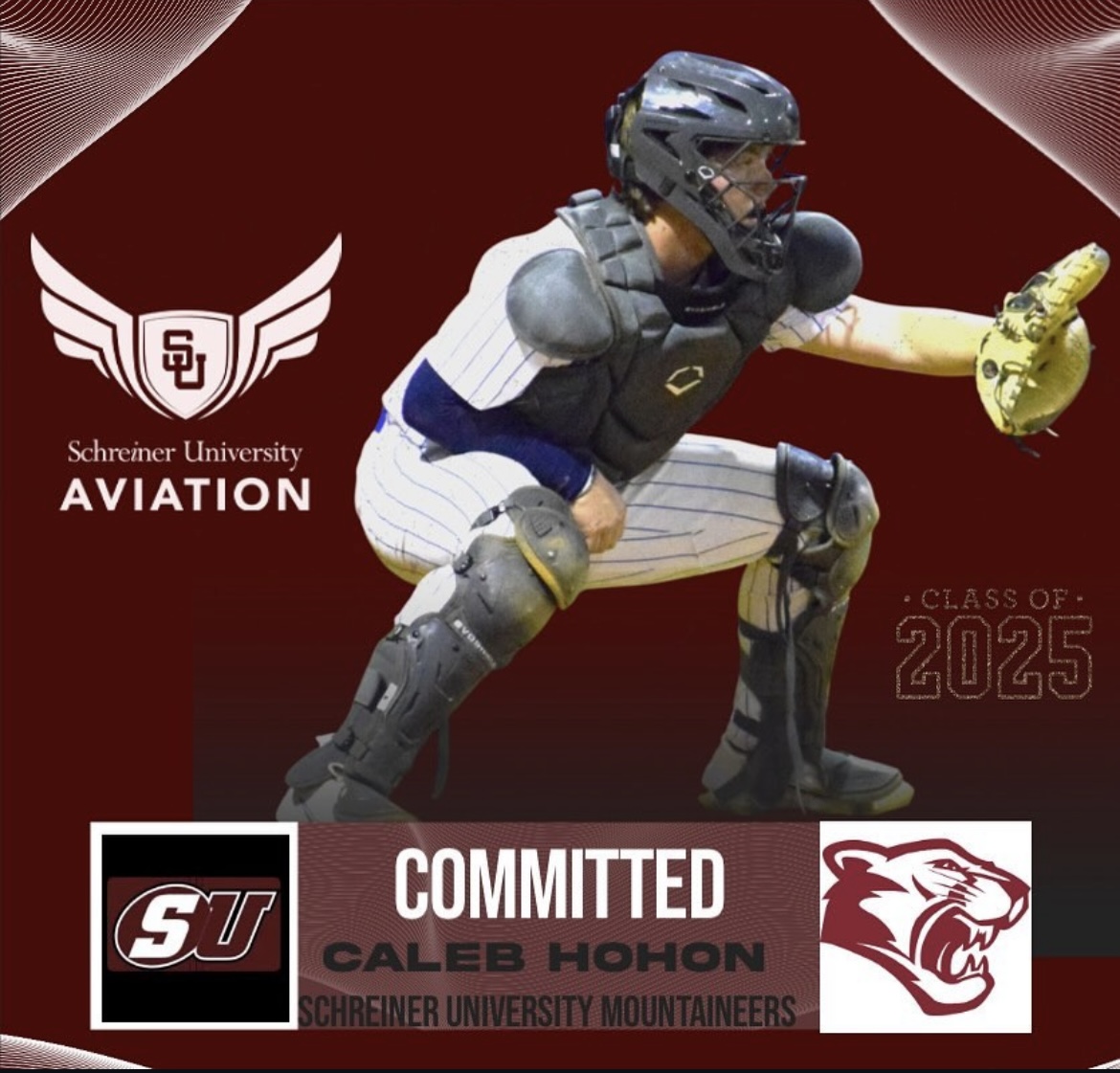
These catchers earned commitments at different ages and stages…
They earned these commitments because development finally happened in the right order — and recruiting became a byproduct of being ready.
College Ready Catcher™
A clear development and recruiting path for serious high school catchers who want to earn real college baseball opportunities.
Why Recruiting Feels Confusing, Even for Hard-Working Catchers...
Most families believe recruiting is about doing more.
More showcases.
More camps.
Better metrics.
More emails.
More exposure.
And on the surface, that makes sense — because that’s what families are shown.
That’s what gets marketed.
That’s what recruiting platforms and events emphasize.
But college coaches aren’t signing catchers based on how good a profile looks
or what a pop time reads at a single event.
They’re evaluating something much deeper.
They’re asking:
“Can this catcher help us win games when the speed, pressure, and responsibility increase at the college level — and can I trust him to show up consistently inside our program?”
That’s the real evaluation.
Here’s the truth: offers happen when a catcher becomes someone a program can trust to help them win games.
Before that point, numbers without context don’t answer the questions coaches actually care about.
What Most Families Are Never Shown...
Most families try to improve everything at once.
Skills…
Metrics…
Exposure…
Recruiting outreach…
Because from the outside, recruiting looks like a volume, exposure, and metrics game.
And to be clear — metrics matter.
Pop time.
Velocity.
60-yard dash.
Physical development.
Those numbers grab attention quickly and open doors.
But college coaches don’t recruit based solely on averages, profiles, emails sent, or team rankings.
They evaluate a catcher based on a much simpler question:
“Would this catcher add value to our program if we put him on campus tomorrow?”
That evaluation can’t be reduced to a single metric or event.
Because metrics only mean something when they’re supported by the rest of the catcher.
Sometimes pop time looks good — but the skill breaks down at game speed.
Sometimes velocity improves — but the body can’t sustain it over a full season.
Sometimes the raw tools are there — but habits, preparation, or consistency aren’t.
…And often, it’s a combination of all of these.
They’re chasing numbers — without building the foundation that allows those numbers to translate.
They’re improving metrics — but not in a way coaches trust.
They’re expecting recruiting traction — before their game is actually ready for it.
When the foundation is right, metrics improve faster, hold up longer, and actually mean something to recruiters.
How College Coaches Actually Decide Who Gets Recruited...
College coaches do care about metrics and measurables.
But they don’t ask:
• “How many showcases has he attended?”
• “How many emails has he sent?”
• “What summer team is he playing for?”
• “How early did he start the process?”
Those things create visibility.
They don’t determine decisions.
Instead, coaches are evaluating whether a catcher’s game would hold up inside their program.
They ask:
• Do his fundamentals hold up at college game speed?
• Can he handle pressure as decisions have to be made faster?
• Is his physical development trending toward the level we play at — and can his body survive a full fall, off-season, spring, and summer?
• Can I trust him to help us win games — sooner rather than later?
• When the gap in raw skill shrinks at the college level, what actually sets him apart?
These are the questions that determine whether recruiting moves forward — or quietly stalls.
If the answer to any of them is unclear, recruiting pauses.
Not because the catcher isn’t talented…
But because something essential hasn’t been proven yet.
And until it is, no amount of exposure will force a decision.
Why “More” Doesn’t Work...
More reps don’t fix fundamentals that break at game speed.
More exposure doesn’t create trust.
More emails don’t replace proof.
Until the real limiting factor is identified and addressed, development stalls — and recruiting follows.
That’s the part most families are never shown.
This is why families who keep doing “more” often feel like they’re running in place — working harder, but getting no closer to clarity.
The Difference With
College Ready Catcher™
College Ready Catcher™ exists because most catchers are developed out of order.
Recruiting becomes simple when development is handled in the right order.
Instead of piling on drills, showcases, or generic recruiting advice,
we work backward from how college coaches actually evaluate catchers.
We don’t try to improve everything at once.
We identify the single biggest constraint between your catcher and the level he wants to play at — and we solve that first.
Nothing advances until it’s earned.
If habits aren’t aligned, development pauses.
If fundamentals don’t hold up at game speed, metrics don’t matter yet.
If physical development isn’t trending toward the college level, exposure is premature.
If value isn’t clear, recruiting waits.
This is the foundation of the College Catcher Constraint System™ —
a standards-based development and recruiting framework designed to remove the exact bottlenecks that prevent catchers from getting recruited.
When the constraint is solved, everything downstream accelerates.
Metrics improve faster.
Skills hold up longer.
Recruiting conversations become clearer.
And commitments stop feeling random.
Because at that point, coaches aren’t projecting anymore — they’re deciding.
How the College Ready Catcher™ Process Works
Every catcher enters at a different point — this process adapts to where they actually are.
College Ready Catcher™ is not a collection of drills or generic recruiting advice.
It’s a standards-based development and recruiting process designed to move a catcher from
uncertain → college-ready in the correct order.
Here’s how it works:
1.) Standards, Structure, & Full Evaluation
Everything starts with clarity.
Each catcher goes through a complete evaluation, including:
- Defensive skill assessment (receiving, blocking, throwing)
- Baseline metrics (pop time, velocity, 60-yard dash)
- Physical profile and development trends
- Habits, routines, and day-to-day structure
This establishes the end standard we’re working toward — not just where the catcher is today.
At the same time, we establish college-level standards — how a catcher trains, prepares, and carries himself if he expects to play at the next level.
If standards aren’t aligned, development doesn’t move forward.
2.) Level Targeting & Recruiting Context
Next, we define where the catcher actually wants to play — and what that level demands.
With our guidance, each athlete builds a targeted list of colleges, then is evaluated against those levels — not against vague averages or social media highlights.
This creates immediate context:
- What “college-ready” actually means for their goals
- What matters now vs. later
- What gaps must be closed before recruiting makes sense
No guessing. No false timelines.
3.) Back-Engineered Development Plan
Once the end goal is clear, we work backward.
Development is mapped out across:
- The year
- The season
- The month
- The week
- The day
Each catcher learns how to structure training to attack their biggest constraint while maintaining other skills — creating a workload that mirrors what college baseball actually demands.
This is where progress stops stalling and starts compounding.
4.) Skill Translation & Metric Development
Metrics matter — when they’re built on the right foundation.
Here we focus on:
- Fundamentals that hold up at game speed
- Skill execution under pressure
- Physical development that’s sustainable across a full season
- Metrics that translate, not just look good in isolation
When training is structured correctly, metrics improve faster and stick longer — because they’re supported by the rest of the catcher.
5.) Recruiting Readiness Gate
Recruiting does not start automatically.
Before any outreach, we ask:
- Would this catcher add value if placed on campus tomorrow?
- Would a coach trust his game, body, and preparation?
- Is exposure actually helpful right now — or premature?
If the answer isn’t clear, we don’t push recruiting — we remove the constraint first.
When it is clear, recruiting becomes simple.
6.) Re-Assessment, Proof, & Adjustment
As the catcher develops, we continuously:
- Re-test metrics
- Update film
- Re-evaluate readiness
- Adjust the plan
Recruiting decisions are based on proof, not hope.
When the constraint is removed, everything downstream accelerates:
- Metrics mean more
- Conversations become clearer
- Opportunities stop feeling random
The Goal of the Process
The goal isn’t just to get recruited.
It’s to develop a catcher who:
- Can handle the speed of the college game
- Can survive the physical demands of the season
- Can be trusted inside a program
- And can actually help a team win games
That’s when recruiting works — because it’s earned.
Important Note on Fit (Please Read)
We do not take every catcher who applies.
College Ready Catcher™ is for serious athletes who are willing to train with structure, accountability, and long-term intent.
The evaluation exists to determine fit — not to push everyone into the same path.
If it makes sense to move forward, we’ll show you exactly how.
If it doesn’t, you’ll still leave with clarity and direction.
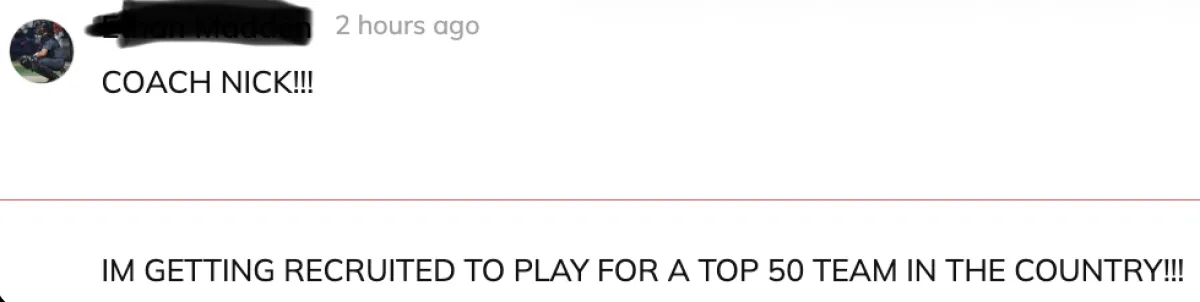
Getting recruited to a top 50 team 👇
Freshman takes Junior's starting spot 👇

Offer Secured ✅ 👇
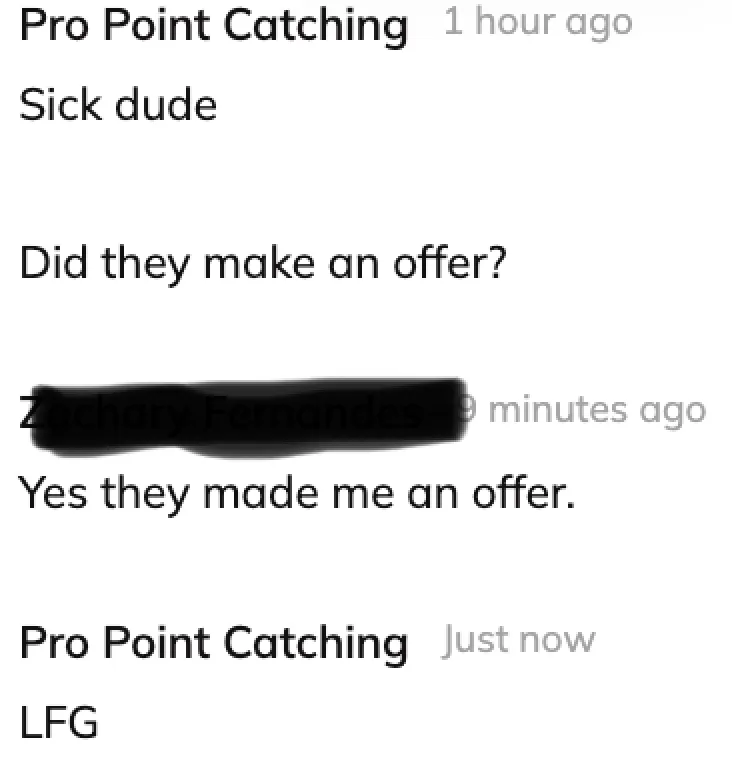
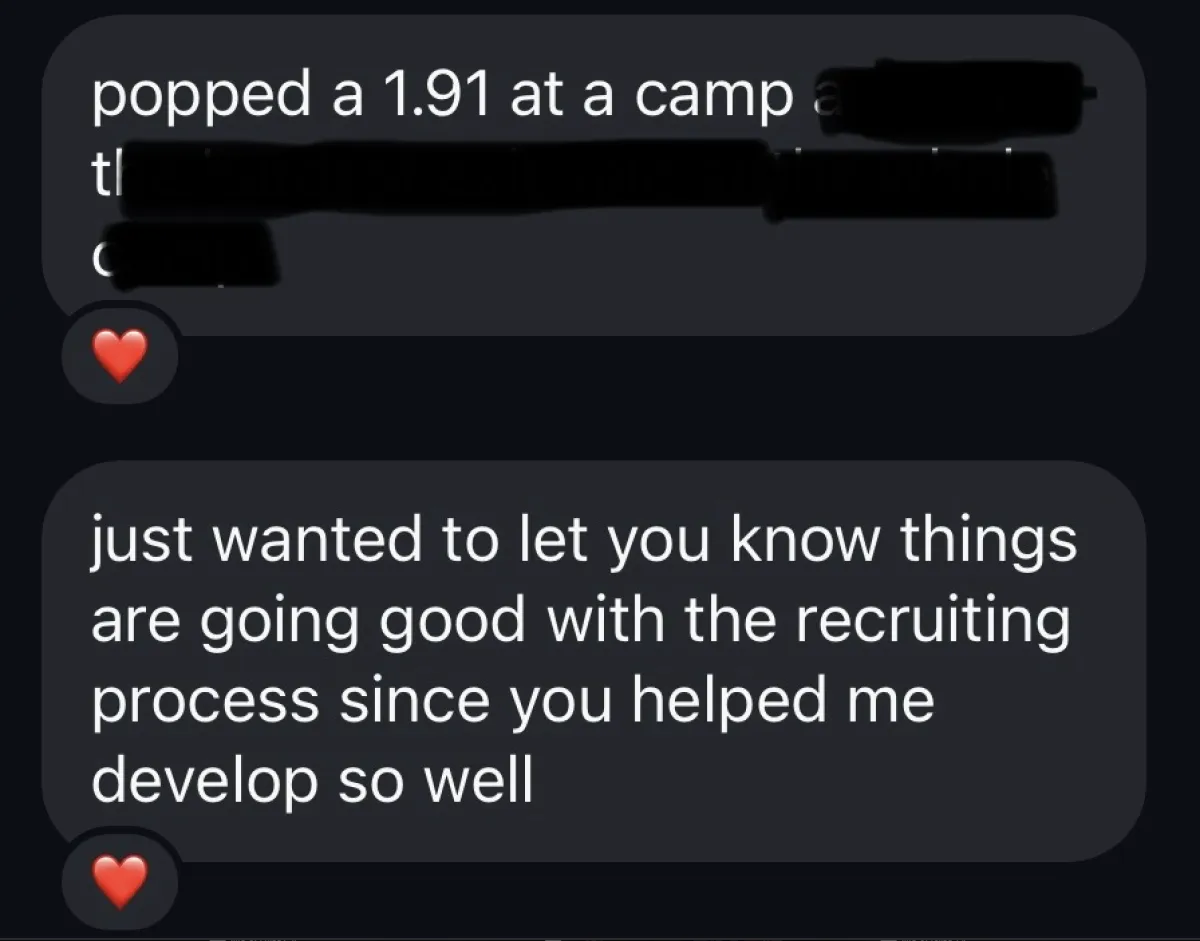
1.91 poptime + recruiting process heating up 👇
College visits 👇

More college interest 👇

Offer Secured ✅ 👇
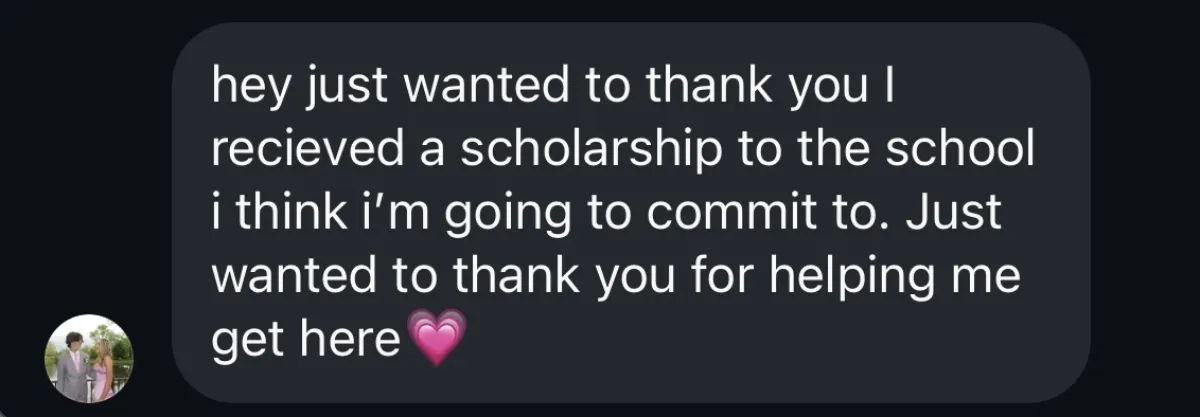
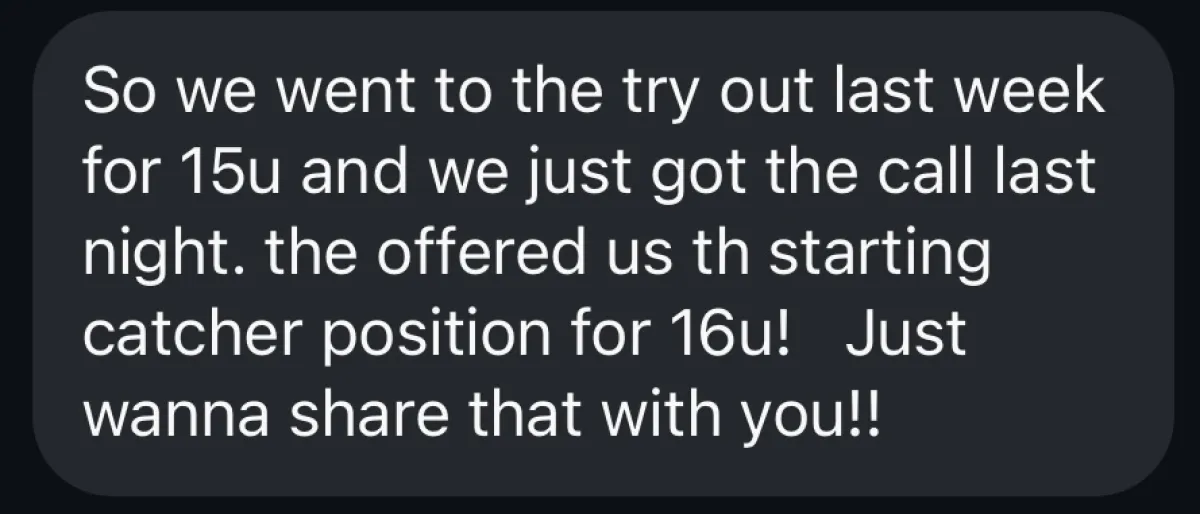
Tried out for 15u, got the 16u spot. 👇
Overcoming adversity and WINNING... 👇
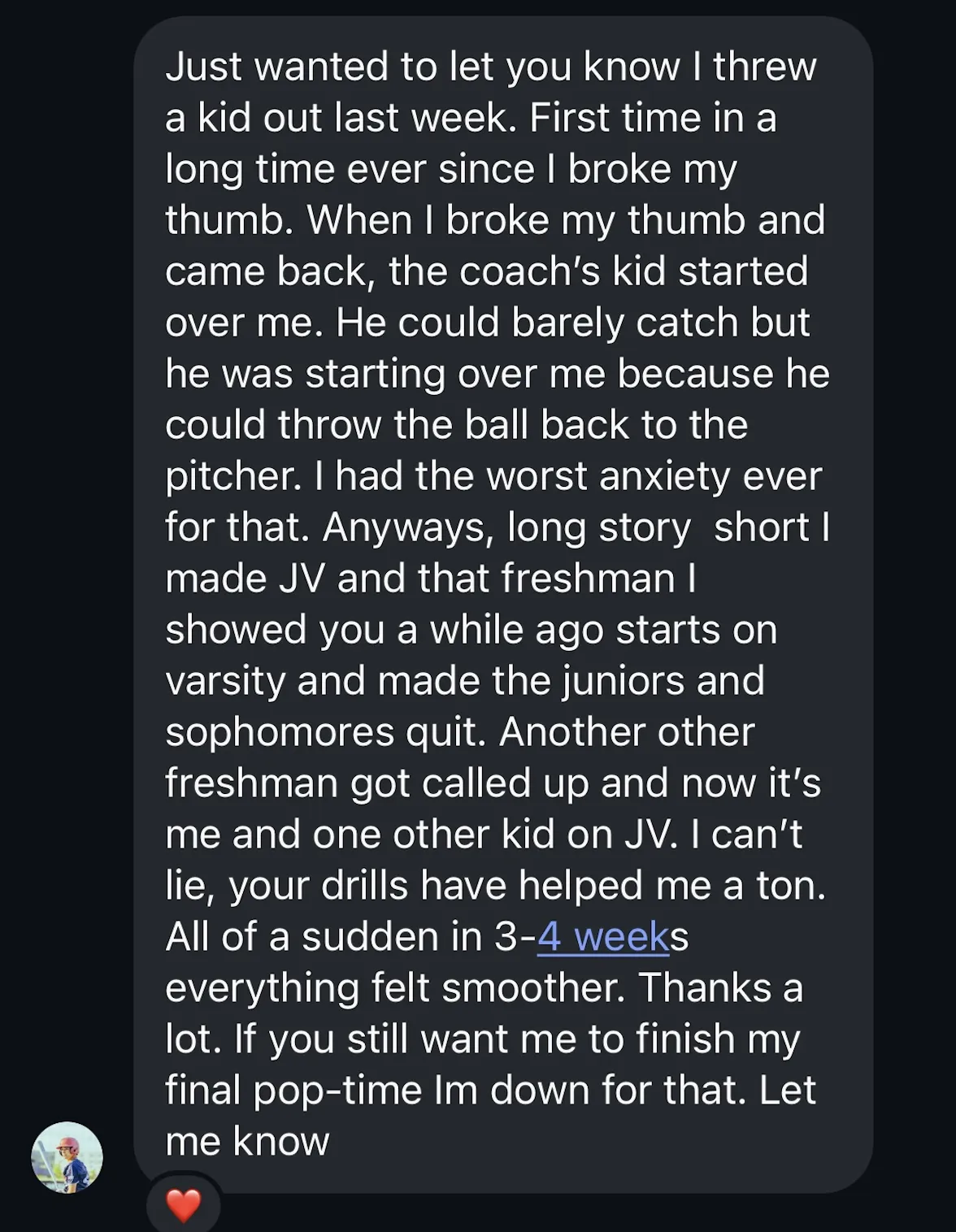
More college interest... 👇

Committed ✅... 👇

If college baseball is the goal, clarity comes first.
This evaluation exists to remove guesswork — and give you an honest, level-appropriate path forward.
Whether that path includes College Ready Catcher™ or not,
you’ll leave knowing exactly what matters next.
Common Questions
Is this only for elite catchers?
No — but it is for serious ones.
College Ready Catcher™ isn’t about where a catcher is right now.
It’s about whether he’s willing to train with structure, accountability, and long-term intent.
We work with catchers at different stages — but we only move forward with athletes who are willing to do the work required to actually become college-ready.
What ages or grade levels do you work with?
Most of the catchers we work with are middle school through high school, with the majority being freshmen through seniors.
That said, readiness matters more than age.
A motivated younger catcher with the right habits can move quickly — while an older catcher without structure may need to slow down and rebuild the foundation first.
The evaluation exists to determine that.
Is this program remote?
Yes.
College Ready Catcher™ is fully remote by design — not as a limitation, but as a feature.
College catchers are expected to:
Manage their training
Follow structure
Execute independently
Take ownership of their development
This program is built the same way.
You’ll receive clear standards, coaching, feedback, structure, and accountability — while the athlete learns how to operate like a college catcher before becoming one.
What if I’m not sure what my son actually needs right now?
That’s exactly why the evaluation exists.
Most families know their catcher is working hard — but aren’t sure:
What actually matters right now
Whether recruiting makes sense yet
Or what level they realistically match up with
The evaluation gives you clarity on:
Where your catcher currently stands
What the real limiting factor is
And what the next step should be — even if that step isn’t us
Does this guarantee a college commitment?
No — and you should be skeptical of anyone who makes this kind of guarantee.
What this process does guarantee is clarity.
We help catchers develop the skills, habits, physical tools, and preparation required to:
Add value inside a college program
Earn trust from coaches
And put themselves in a position where recruiting decisions can actually be made
From there, opportunities are earned — not promised.
How much time does this require each week?
This depends on the catcher’s age, season, and current stage of development.
What matters most isn’t hours — it’s structure and consistency.
We help athletes build schedules that:
Match college-level demands
Are realistic alongside school and team obligations
And allow progress without burnout
Everything is planned intentionally — not randomly added on.
What if my catcher isn’t ready for recruiting yet?
Then we don’t rush it.
Recruiting only starts when it makes sense.
If a catcher isn’t ready to add value at the level he wants to play at, the focus stays on development until that changes.
This is one of the biggest differences with College Ready Catcher™ — we don’t force exposure before it’s earned.
How do I know if this is a good fit for us?
That’s the purpose of the College Catcher Evaluation.
We don’t take every catcher who applies.
The evaluation is a two-way conversation to decide:
If this process makes sense for your goals
If your catcher is ready for this level of structure
And whether we believe he can be successful inside the program
If it’s a fit, we’ll show you the path forward.
If it’s not, you’ll still leave with clarity and direction.
What makes this different from lessons, showcases, or recruiting services?
Those things focus on pieces.
College Ready Catcher™ focuses on the order.
We work backward from how college coaches actually evaluate catchers — then build development, metrics, habits, and recruiting around that standard.
That’s why progress compounds instead of stalling.